Sunday, March 19, 2023

Quick guide to cat breeds

Cats are one of the most beloved pets worldwide, and there are numerous breeds available to choose from. Whether you prefer a fluffy lap cat or an active and playful breed, there is a cat breed for every lifestyle. Here is a short guide to some popular cat breeds:

  1. Siamese: Known for their distinctive coloring and intelligent personalities, Siamese cats are vocal and affectionate.


  2. Calico: Calico cats are tri-colored with white, orange, and black or gray fur. They are known for their independent personalities.


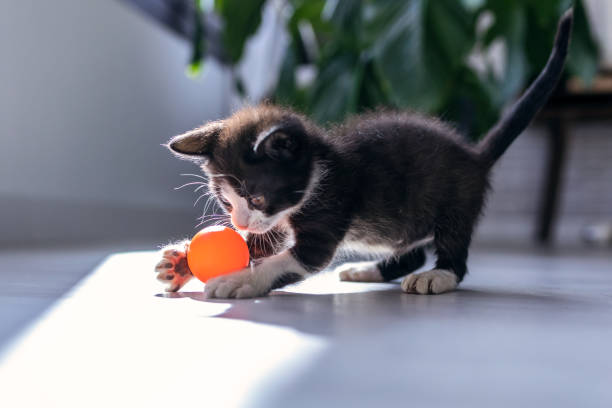
  3. Tuxedo: Tuxedo cats are black and white, with their coloring resembling a tuxedo. They are known for their playful and affectionate personalities.


  4. Oriental Shorthair: This breed has a sleek and elegant appearance with large ears and almond-shaped eyes. They are known for being intelligent and active.


  5. Exotic Shorthair: Similar to the Persian cat, Exotic Shorthairs have a sweet and round face and soft coat. They require less grooming than the Persian breed.


  6. Maine Coon: Known for their large size and fluffy fur, Maine Coons are friendly and affectionate.


  7. Bengal: Bengals have a distinctive orange coat with black stripes and spots. They are intelligent and social.


  8. Ragdoll: Ragdolls are known for their docile and friendly personalities. They have long, fluffy fur and blue eyes.


  9. Sphynx: Sphynx cats are hairless and require special grooming. They are known for their affectionate and playful personalities.


  10. Scottish Fold: Scottish Folds have unique folded ears and are known for their affectionate and calm personalities.


Remember, every cat is unique, and the breed is just one aspect of their personality. When adopting a cat, it is essential to consider their individual needs and temperament to find the perfect match for your lifestyle.

Basic guide for keeping a dog as a pet at home


Keeping a dog as a pet at home requires a lot of preparation and work. Here are some basic tips and guidelines to help you get started:

  1. Adoption and Training: Welcoming a dog into your home requires preparation, and adopting a dog is one of the first steps. Before adopting, it is important to know what to expect and how to prepare for the dog's arrival. The Spruce Pets offers tips on adoption, training, and other useful information for first-time dog owners [1]. Basic training commands and tricks like come, speak, stay, and drop it give your dog structure, can help you overcome common behavior problems, and keep your dog safe [4].

  2. Feeding and Nutrition: A dog's diet should contain a minimum of 18% crude protein and a minimum of 5% crude fat for adult dogs and at least 22% protein and 8% fat for puppies. Understanding your dog's basic nutritional requirements is crucial for their overall health and well-being. Pawster offers helpful information on dog nutrition and dietary requirements [3].

  3. Exercise and Play: Dogs require physical exercise and mental stimulation to stay healthy and happy. Taking them to the park, playing games like fetch or tug of war, and going for walks or runs are great ways to keep them active. PetKeen offers tips on how to keep your dog busy while you work from home [7].

  4. Healthcare and Checkups: Regular visits to the vet for vaccinations and checkups are necessary for your pet's overall health. It is important to keep your pet up-to-date on vaccinations, flea and tick prevention, and other preventative care measures. AKC offers resources on basic care for dogs and tips for traveling with them [6].

  5. Safety: Keeping your pet safe is crucial, and pet-proofing your home can prevent accidents and injuries. American Humane offers tips on how to pet-proof your home [10].

  6. General Care: Spend time with your pet, give them emotional and mental interaction, and provide them with a clean, safe, and quiet place to sleep. Keep their food and water bowls clean and avoid giving them excessive treats or people food. WikiHow offers basic tips on how to take care of a dog at home [8].

Remember, each dog is unique, and you may need to adjust your care routine based on their individual needs. Consulting with a veterinarian and doing research on your particular breed can help ensure you are providing the best possible care for your furry friend.

Basic guide for keeping a cat as a pet at home


Keeping a cat as a pet can be a rewarding experience, but it is important to ensure that your furry friend is properly taken care of. Here is a basic guide for keeping a cat as a pet at home:

  1. Provide a balanced diet: Cats require taurine, an essential amino acid, for heart and eye health. The food you choose should be balanced for the life stage of your cat or kitten. Properly balanced foods will contain taurine [1]. Make sure to feed your cat healthy food and choose suitable food dishes and water bowls [2].

  2. Give your cat access to fresh water: Provide fresh, clean water at all times, and wash and refill your cat's water bowls daily. Proper hydration can keep your cat comfortable and happy by helping to prevent common cat health issues like urinary tract infections and kidney disease [5].

  3. Provide a clean litter box: Provide a litter tray in a quiet place and clean it regularly. Cats are often reluctant to use a dirty tray or one located in a busy area [7]. As a guide, for one cat, you will need two litter trays [9].

  4. Give your cat a space of its own: Provide your cat with its own special place to get some alone time. This little space could be a cat bed, or a cat tree that the cat can curl up inside of [6]. Also, give them at least two types of resting places - one at floor level, enclosed, and one at a higher level [7].

  5. Keep your cat entertained: Keep your cats entertained with fun toys [10]. Also, provide a scratching post for your cat to prevent them from scratching furniture [6].

  6. Regular grooming: Brush your cat regularly to keep their coat in good condition and also to help remove fleas and other parasites. Bathe your cat but not too often [2].

  7. Regular check-ups: Take your cat to the vet for regular check-ups. Healthcare costs, including check-ups, vaccinations, and dental care, can range from $75-11,000 per year depending on your cat's needs [4].

  8. Keep your cat safe: For extra insurance, consider having your cat microchipped and keep your contact information with the microchip registry up to date. If you do lose your cat, contact your local animal shelter immediately to file a report [3].

In summary, keeping a cat at home requires providing a balanced diet, access to fresh water, a clean litter box, a space of their own and some entertainment for him.

Friday, September 14, 2012

Advocate for Dogs

The most complete all-in-one parasite protection


Advocate not only treats parasite infections, but monthly treatment can help protect your dog against fleas, heartworm(microfilaria), gastrointestinal worms, mites and lice.

An easy-to-use spot-on application, Advocate acts on multiple stages of parasites to treat infections faster and sustain protection longer.

Why choose Advocate?
• Advocate provides fast relief from fleas
Stops fleas biting in 3-5 minutes. (1)
Kills fleas on contact without the need to bite, which means no irritation, no scratching and no Flea Allergy Dermatitis (FAD).
Dead fleas can’t transmit flea tapeworm.

• Advocate prevents deadly heartworm
The active ingredient (moxidectin) enters your pet’s bloodstream and with monthly use will prevent heartworm infection in dogs.

• Advocate protects your pet and family from gastrointestinal worms
Advocate clears up infections quickly by killing up to 100% of adult, immature and larval stages of hookworm, roundworm and whipworm while reducing environmental contamination.

• Advocate controls ear mites
Advocate is highly effective as a single dose treatment of ear mites.

• Advocate controls demodex
Monthly application of Advocate for 2 to 4 treatments has been shown to be effective in the treatment of this mite that can cause a debilitating skin condition in dogs. Your veterinarian will diagnose and provide appropriate advice for the treatment of demodectic mange in your pet.

• Advocate treats and prevents sarcoptic mange
Advocate eliminates sarcoptic mange mites after a single dose.

• Advocate lasts all month and is easy to use
Simply apply the dose to the back of your dog between the shoulder blades (see directions for use for dogs over 25 kg) and from there it spreads across the skin and through the coat, where it is effective for 1 month.it is available for all weight scales.

• Advocate is waterproof
Advocate treated dogs can do what they like to do without you worrying about their flea protection. Advocate remains effective following soap-free shampoo treatment, bathing or exposure to rain.

• Advocate is safe and effective
Advocate is tough on parasites but gentle enough to use on puppies from 7 weeks.


This product not available in Sri Lanka.You can buy this product from Bayer Australia Ltd,875 Pacific Highway,Pymble NSW 2073,ACN 000138714.
 

Monday, July 23, 2012

Post-Operative Care for Dogs and cats

If your dog is scheduled to undergo surgery, whether a routine spay/neuter or something more serious, you're naturally concerned about how your pet will be cared for after the procedure and what care you will need to provide for him once he is released from the veterinary hospital.
  1. Clinic Care

    •  Wrapped the animal in warm blankets or towels until it wakes from the anesthesia.
      During anesthesia, a pet's body temperature drops and the blankets are necessary to make him as comfortable as possible on waking.
      The veterinarian or staff at the clinic will monitor the dog until he is fully awake to ensure he is recovering as expected.

    Pain Relief

    •  Ensure your pet will be given pain relief immediately following the surgery and ask the doctor about pain relief medications you can provide to your pet during recovery at home.

    Instructions

    • Ensure that you follow the veterinarians instruction regarding when and how much to feed your dog and how much water it should consume. If you're taking the pet home immediately following surgery, ask the doctor how long you should wait before offering her water. It's also important to administer any medications according to the doctor's instructions.

    Limits

    • If your dog is released from the clinic shortly after the procedure, it may still be under the effects of anesthesia. It may not have a good sense of balance or direction. To prevent her from falling and injuring itself, keep it confined until the drugs have left it system.
      Your dog will need to stay indoors for at least a week following surgery, perhaps longer depending upon her exact condition and the specific procedure performed.
  2. Monitoring

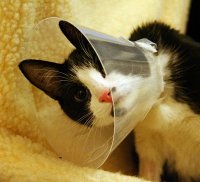
    • Some dogs will chew or lick on their surgical incision when it starts to heal. Monitor your dog's incision site and prevent her from chewing on the area. Your dog may need to wear an Elizabethan collar, which is designed to prevent her from reaching the incision site, if you are away and unable to monitor it activity. If the incision site swells, has discharge or bleeding, you should contact your veterinarian.

      Is it okay for my pet to lick the incision?
      • If a dog licks the incision, the healing process may be delayed.
      • Licking can remove stitches and cause the incision to open
      • Licking can become a severe habit that is difficult to break
      • Licking can cause infection as the mouth has many bacteria
      • Dogs will frequently lick the incision when the owner is not watching such as at night time; if the skin looks red or excoriated the most common cause is from licking.
      • To stop your pet from licking the following can be tried:
        • Elizabethan collar can be placed on the neck; this will not help stop your pet from scratching at the region
        • Cervical collar (bite not collar) is a less awkward device and can be effective at stopping a pet from licking the surgical site
        • A tee shirt can be used to cover an incision on the chest or front part of the abdomen; gather the waist of the shirt up over the dog's back and wrap an elastic band around this part of the shirt.
        • A bandage or sock can be used to cover an incision on a limb; fasten the top of the sock to the dog's limb with tape.
        • Antipsychotic medication in some cases is needed
 Refer:http://www.ehow.com/way_5348625_postoperative-care-dogs.html
http://www.vetsurgerycentral.com/hernia.htm

Heartworm Disease in Cats-Different but dangerous

About Heart worm Disease
Heartworm disease is caused by a parasite that lives mainly in the blood vessels of the lungs. Cats are not a natural host for heartworm, but tend to develop severe and potentially fatal disease even when only a single worm is present.
Heartworm disease has been seen in several species, but dogs are very susceptible. It can be fetal and is difficult to treat, but fortunately heartworm disease is easy to prevent.
Transmission of Feline Heartworm Disease
Feline heartworm is transmitted by an infected mosquito bite. Cats are susceptible to hearthworm disease even when kept indoors, as mosquitoes can fly find their way into the house. When the mosquito bites the cat to take its blood meal, it introduces the heartworm larva into the cats bloodstream. These larval heatworms invade the blood vessels in the lungs. These larval heartworms are capable of reproducing within 8 months of developing as adults. As they grow into adults they lodge themselves into the lungs and heart of the cat. Cats tend to have lower worm population then canines, as they have a stronger immune system. The damage by these parasites is still severe in cats and can cause death.
Risk Factors for Heart worm
Exposure to mosquitoes carrying microfilariae is the main risk for infection. Even indoor cats are at risk, because mosquitoes are notoriously difficult to keep out of the home.
Signs and Symptoms of Heartworm Disease in Cats
  • Coughing
  • Labored or rapid breathing
  • Weight loss
  • Vomiting
  • Lethargy
  • Rarely, other signs can be seen, such as fluid accumulation in the abdomen, fainting, and neurological signs such as in coordination and seizures.
  • Sudden severe breathing problems, collapse, shock, and/or sudden death can occur in some cases
Diagnosis of Heartworm Disease
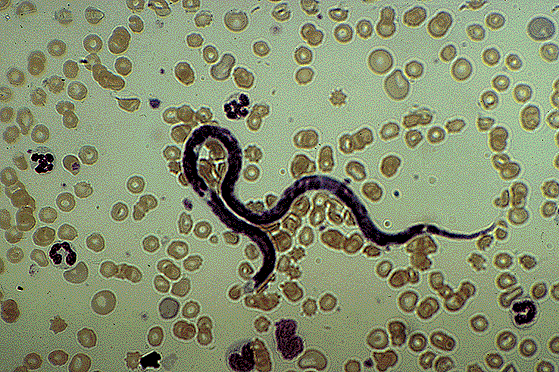
Microfilarial tests:This test can detect the microfilaria worms in blood by observing under microscope.

Antibody Test: This test is used to detect the antibodies made by the cat's immune system against the heartworm antigen. This test is not very reliable as it may test positive for a previous heartworm infection that has cleared up.

Antigen Test: This test helps in detecting presence of antigen in the blood. It may give false results as it detects the presence of only female heartworm. It may test negative results if the cat is infected by male or immature worms.

Echocardiogram and Radiography: Ultrasound may help detect presence of heartworms. Radiography helps detecting enlarged pulmonary arteries and enlarged right side of the heart and lung changes due to presence of heartworm.
Prevention of Feline Heart worm
It is always advisable to take your feline friend for regular veterinarian visits. Early diagnosis and treatment is always better than cure. You can always hope that the worm lives out it's lifespan within your cat without causing any major complications. A healthy cat is a 'purrrr..fect' pet.

Refer-

http://vetmedicine.about.com/od/diseasesandconditions/a/CW-Heartworm.htm
http://www.buzzle.com/articles/heartworm-in-cats-feline-heartworm.html

Tuesday, April 3, 2012

Dog Vaccines - Understanding The Importance Of Vaccinations!


The importance of vaccinating your dog can never be overstated since it is very necessary to keep the dog alive. For without proper vaccinations the dog will die. Just like a new baby needs all the necessary immunizations to guarantee a proper health condition, your little puppy will also need the care of regular vaccination to keep it healthy and strong. Even if it is painful, causing the dog to scream and cry in pain, do not avoid it because it is the secret to a healthy dog's life.

These vaccines are small fractions of a disease given to the dog to avoid the infection of that disease in the future. This is one of the necessary things a dog owner should give the dog, as stipulated by the department of animal production and health.

There are only two types of vaccinations for dogs, Killed and live vaccines are their names. The version of the live vaccine available presently is the modified live vaccines, in this case the live vaccination has been modified so that the little portion of the disease injected into the dog's body will not cause harm but actually do the good it is supposed to do, by protecting and not causing the sickness it was supposed to avoid.

Killed vaccination kills the disease in it , prior to the injection of the vaccines. The reason for giving dogs these vaccines is to alert the immune system of the different types of diseases, so that the dog can develop immunity to these diseases and can never be affected by them in the future. This occurs by the production of antibodies in the blood system to fight against the onslaught of these diseases if they occur. It is very important for dog owners to visit the Vet clinic regularly for vaccinations, since each vaccine given protects the dog for just one year at most.

The frequent vaccinations of dogs are very important, since it protects and prevents awful diseases like, rabies, infectious Hepatitis, Canine Distemper, parvo virus, Corona Virus etc. from affecting the dog. The Canine Distemper is a disease that is capable of paralyzing the nervous system of the dog, this is the work of the canine virus. The disease destroys about fifty percent of dogs suffering from it, with its main targets set on dogs between the middle ages. But it also affect old dogs or puppies.

The very popular rabies vaccines are another type of vaccines a dog owner should give to the dog. If the rabies disease is not treated in the dog it can be transferred to human beings through dog bites or saliva.The major characteristics behavior of the sufferer of rabies is an over activeness, excess saliva output and uncontrolled behavior.

hepatitis vaccine(DHL), unlike that of human beings is another important vaccination for dogs. It is a lethal disease that can cause death, so the vaccines should not be missed. This disease is transferred through stool, urine and saliva from one dog to another, it does not affect human beings, but can affect any dog at all, regardless of its age.

Parvo virus is a disease that can be transferred from one puppy to another through feces, it is a disease that can  infect  puppies and middle age dogs. A vaccine is given to prevent this disease and it is also wise to stop your dogs from eating the feces of others.

Vaccination schedule for dog
Vaccinated mother…..( à¶±ිà·€ැà¶»ිදි ආකාරයෙà¶±්  à¶‘à¶±්නත් ලබාදී ඇති මවකගේ à¶´ැà¶§à·€ෙà¶šුà¶§..)

Age of animal              6 week     8 week      10 week   12 week         Annual booster

Vaccine                        Parvo 1     DHL 1       ARV 1     Parvo 2           ARV    

                                                                                       DHL   2         Parvo
   
                                                                                                              DHL
Unvaccinated mother …..( à¶±ිà·€ැà¶»ිදි ආකාරයෙà¶±්  à¶‘à¶±්නත් ලබාදී  à¶±ැà¶­ි  මවකගේ à¶´ැà¶§à·€ෙà¶šුà¶§..)

Age of animal             5week     6 week      8 week        12 week     16 week     Annual booster

Vaccine                       ARV 1     Parvo 1     DHL 1        Parvo 2       ARV 2            ARV
                                                                                     DHL   2                              DHL
                                                                                                                               Parvo


This schedule can be change according to different conditions of animals.
If you have cat in your home anti rabies vaccine(ARV) must be vaccinated  annually.

Side Effects of Vaccinations:

Pet owners worry about health risks associated with vaccinations. Prevention is better than cure. Vaccination protects pets against life threatening disease which may be incurable, highly contagious and expensive to treat, at later stages. Some mild reactions like low grade fever, dull aches and pains, vomiting, low appetite and activity are common with most animals.
Do not bath your pet for three days after vaccinating.

If you notice that your pet is experiencing problems, several hours, after being vaccinated, consult a vet right away. Vaccine related diseases are quite rare but nevertheless, chances should never be taken.

Article Source: http://EzineArticles.com/1662253, http://slveterinarian.blog.com/2011/03/19/vaccination-schedule-for-dog/

Wednesday, March 28, 2012

How to Administer Pill Medication to Your Dog


Frequently, medications are required for treatment for illness or injury and dogs are sent home with prescription medication. Once your dog is released from the veterinary hospital, administering these medications can be scary, confusing and, sometimes, difficult to do. With practice, giving pill form medications can be quick and easy.

Some medications can be hidden in a small amount of food such as marshmallows, peanut butter or cream cheese but you must make sure that the medication can be taken with food your dog actually swallows the medication. Some dogs will eat the food and spit out the pill. If hiding the pill in food is not working, try the following:

Gently grasp your dog's head using your non-dominant hand. If you are right-handed, use your left hand. Place your hand on top of the muzzle with your thumb on one side and your fingers on the other. Avoid holding the lower jaw,
and do not hold it so tight that it is uncomfortable or the dog cannot swallow. You may need someone to help hold the front legs and chest of the dog to hold him/her still. Wrapping the dog in a towel or blanket is a good restraint technique.

Once his head is held in place, raise his nose to point toward the ceiling and firmly squeeze in just behind the upper canine teeth. The mouth should then open.

Use your other hand to administer the pill. Place the pill between your thumb and forefinger. Use your little finger, ring finger or middle finger to lower the jaw by applying pressure to the teeth between the lower canine teeth.

After the mouth is fully open, place the pill as far back in the mouth as possible. Avoid placing your hand too far into
your dog's mouth. You may stimulate the "gag reflex" and this will make the experience unpleasant and make future medication administration attempts more difficult.

Close your dog's mouth and hold it closed. Gently and briefly rub your dog's nose or blow lightly on the nose. This should stimulate him to swallow.

The quicker you perform this procedure, the more cooperative your dog will be.

Always remember to praise your dog and offer a treat after receiving medication. This will help make future medicine times easier.

 By: Dr .Dawn Ruben

Saturday, March 10, 2012

How Old is My Pet? Correctly Calculate Your Dog or Cat's Age!

By Gayle Hickman

Most people think that calculating the age of dogs and cats in "human years" is quite simple: multiply their age by seven. For example, a 4-year-old dog or cat would actually be 28 years old in human years.

But when you really begin weighing out the arithmetic, this method doesn't add up. Say a 1-year-old dog is the equivalent of a 7-year-old human -- get out of here! How many 7-year-old humans are sexually active and capable of reproducing? Dogs and cats are much more likely to have babies at 1 year old or even at 10 years old, than any person who is 7 or 70.

DOGS

Aging is much faster during a dog's first two years but varies among breeds. Large breeds, while they mature quicker, tend to live shorter lives. By the time they reach 5 they are considered "senior" dogs. Medium-sized breeds take around seven years to reach the senior stage, while small and toy breeds do not become seniors until around 10.

Related: Top 5 Ways to Improve Life for Your Senior Dog


Many veterinarians agree that a pretty good guess on the age of pets can be made using the following formula. Although still simple, it is much more accurate than the seven-year method.

Assume that a 1-year-old dog is equal to a 12-year-old human and a 2-year-old dog is equal to a 24-year old human. Then add four years for every year after that. (Example: A 4-year-old dog would be 32 in human years.)

Since this method takes into consideration the maturity rate at the beginning of a dog's life and also the slowing of the aging process in his later years, Martha Smith, director of veterinary services at Boston's Animal Rescue League, feels that this is the more accurate calculation formula. Here is a chart, for easy reference:
 
A dog's average lifespan is around 12 or 13 years, but again, this varies widely by breed. The larger your dog is, the less time it will live. Female dogs tend to live a little longer.

CATS

Now let's take a glimpse at a simple formula for calculating feline age in human years.

Assume that a 1-year-old cat is equal to a 15-year-old human and a 2-year-old cat is equal to a 24-year-old human. Then add four years for every year after that. (Example: A 4-year-old cat would be 32 in human years.)

The following chart shows this formula of calculation:


Monday, January 2, 2012

How to Care for a Shitzu Dog


Adding a Shitzu dog to your family can be a great way to bring excitement and fun to your home. You must know how to properly care for this particular breed, though, since some aspects of its care differs from other dog breeds. Ideally you should learn this in advance before your dog comes to your home as this makes the adjustment period for both you and the dog much easier. If you do plan to get this particular breed of dog, here's what you need to know about how to care for a Shitzu dog.


  • Comb her hair daily. Shitzu dogs have long hair that can easily tangle and become matted. To prevent this from happening you need to spend time each day combing her hair.
  • Clean his face. Mucus can build up around his eyes while food can attach to the hair around his mouth. You can clean it off by taking a damp wet cloth and wiping the hair until the mucus and food are removed.
  • Provide attention and exercise. Shitzu dogs can be great companions, but they do need time and attention each day from their owners in order to thrive. Without adequate attention they are a breed that can easily become depressed. You need to spend time ensuring they get a chance to be outdoors whether in a fenced area or on a walk through the neighborhood.
  • Trim the hair around her eyes. Regardless of how you choose to style your Shitzu's hair, you need to keep the hair on her face short to prevent it from getting in her eyes and causing an irritation or infection.
  • Care for him as you would other dogs. While specific steps to care for Shitzu dogs has been outlined here, it's important to remember that he needs much of the same care and treatment other dogs get. Shitzus should receive regular trips to the vet, bathing and grooming as needed, and quality dog food if you can afford it.

Do you know about Shih-Tzu breed?


Discription The Shih-Tzu is a small, sturdy dog, with a body that is slightly longer than it is tall. The head is round and broad, wide between the eyes. The square muzzle is short, an inch or less from the tip of the nose to the defined stop. The nose is broad, with well open nostrils. Nose, lips, and eye rims are liver on liver colored dogs and blue on blue dogs and black on all other colors. The teeth meet in a level or under bite. The large, round eyes are dark in color, but lighter on blue and liver dogs. The large, pendant, low-set ears hang down and are covered in abundant hair. The back is level. The muscular legs are straight and well-boned. The high-set tail is carried over the back covered in abundant hair. Dewclaws are sometimes removed. The double coat is dense and long, flowing down over the dog. The hair above the eyes is often tied in a topknot. There is a profuse beard and mustache and the hair on the muzzle is short. Coat comes in all colors.
Temperament
The Shih-Tzu is an alert, lively, little dog. Happy and hardy, packed with character. The gentle loyal Shih-Tzu makes friends easily and responds well to consistent patient training. They make a very alert watch dog. Courageous and clever. Playful and spunky, this affectionate little dog likes to be with people and are generally good with other pets. The Shih Tzu needs all of the humans in the house to be pack leader, with the rules of the house made consistently clear. They may become untrustworthy with children and sometimes adults, as they try and tell the humans what THEY want THEM to do. They will be obstinate as they take their stand and defend their top position in the pack. They may bark obsessively as they try and TELL you what they want. These behaviors are NOT Shih Tzu traits, but rather behaviors brought on by the way they are treated by people around them. 
Height, Weight
Height:  Up to 11 inches (28cm.)
Weight: 9-16 pounds (4-7kg.)
Health Problems
Prone to slipped stifle and spinal disc disease caused by a long back and short legs. Also ear infections, eye problems and early tooth loss. Tends to wheeze and snore and can have respiratory problems. These dogs gain weight easily and should not be overfed.
Living Conditions
The Shih Tzu is good for apartment life. They are fairly active indoors and will do okay without a yard. This breed is sensitive to the heat.
Exercise
The Shih Tzu need a daily walk.  Play will take care of a lot of their exercise needs, however, as with all breeds, play will not fulfill their primal instinct to walk. Dogs who do not get to go on daily walks are more likely to display behavior problems. They will also enjoy a good romp in a safe open area off lead, such as a large fenced in yard. Do not over feed this breed or it will quickly become fat.
Life Expectancy
About 15 years or more.
Grooming
These little dogs require a good daily grooming using a bristle brush. When kept in along coat a topknot is usually tied to keep the hair out of the dog's eyes. Some owners prefer to have them trimmed to make the coat easier and less time consuming to care for. Keep the ear passages and area around the eyes clean. Shih-Tzu's have sensitive eyes that need to be kept clean. There are special drops you can buy to put in them if needed. Ask your vet what to use on your dog. This breed sheds little to no hair and are good for allergy suffers if their coats are kept very well groomed, do to the fact that they shed little skin dander.
Origin
Sixteenth century documents and paintings show dogs resembling the Shih-Tzu. The Shih-Tzu is said to have descended from crossing the Lhasa Apso or Tibetan mountain dog and Pekingese, in the city of Peking in the 17th century. The dogs were favorites of the Chinese royals and were so prized that for years the Chinese refused to sell, trade, or give away any of the dogs. It was not until the 1930s that the first pair was imported to England, when it was discovered by English soldiers during World War II. The Shih-Tzu was recognized in Britain in 1946. The AKC recognized the breed in 1969.


Tuesday, December 27, 2011

Do you know about ticks?

None of us wants to find a tick on our dogs, other pets or ourselves. They may transmit diseases and even cause anemia or paralysis. As a dog owner, there are some basics you should know about the risks, prevention and removal of ticks. With proper knowledge, you can help protect your dog from the threat of ticks.

About Ticks

Ticks are parasitic arthropods that feed on the blood of their hosts. They are attracted to warmth and motion, often seeking out mammals – including dogs. Ticks tend to hide out in tall grass or plants in wooded areas waiting for prospective hosts. Once a host is found, the tick climbs on and attaches its mouth parts into the skin, beginning the blood meal. Once locked in place, the tick will not detach until its meal is complete. It may continue to feed for several hours to days, depending on the type of tick. On dogs, ticks often attach themselves in crevices and/or areas with little to no hair – typically in and around the ears, the areas where the insides of the legs meet the body, between the toes, and within skin folds. Most species of ticks go through four life stages - eggs, larvae, nymphs, and adults. All stages beyond eggs will attach to a host for a blood meal (and must do so on order to mature). Depending on species, the life span of a tick can be several months to years, and female adults can lay hundreds to thousands of eggs at a time. The following types of ticks are the most common:
  • Deer tick
  • Brown dog tick
  • Lone star tick
  • American dog tick

The Dangers of Ticks

Though they are known vectors of disease, not all ticks transmit disease – in fact, many ticks do not even carry diseases. However, the threat of disease is always present where ticks are concerned, and these risks should always be taken seriously. Most tick-borne diseases will take several hours to transmit to a host, so the sooner a tick is located and removed, the lower the risk of disease. The symptoms of most tick-borne diseases include fever and lethargy, though some can also cause weakness, lameness, joint swelling and/or anemia. Signs may take days, weeks or months to appear. Some ticks can cause a temporary condition called “tick paralysis,” which is manifested by a gradual onset of difficulty walking that may develop into paralysis. These signs typically begin to resolve after tick is removed. If you notice these or any other signs of illness in your dog, contact your veterinarian as soon as possible so that proper testing and necessary treatments can begin. The following are some of the most common tick-borne diseases:
  • Lyme disease
  • Ehrlichiosis
  • Rocky Mountain spotted fever
  • Anaplasmosis
  • Babesiosis 
Babesiosis and Ehrlichiosis are most common in Sri Lanka.

Tuesday, November 1, 2011

Tail docking of puppy??


In many cultures and within certain breeds of dogs, Docking Puppies is considered a very important part of puppy raising and of pet ownership. Often, with show dogs, Docking Puppies of a certain breed is even required. Puppy Tail Docking, ear docking, and other procedures are extremely common in many parts of the world, including the United States. Though some people think that docking is barbaric or cruel, it can actually have many benefits, other than just being more physically pleasing. Puppy Tail Docking, in some cases for example, can improve the dog’s balance and make walking, running, and playing easier. 

 Pet owners choose to bring their dog into a veterinarian to have the tail surgically cut and removed. For many dogs, docking the tail in this manner can help to prevent injuries, strengthen the animal’s back, increase the animal’s speed and agility, and improve its appearance.
As mentioned above, Docking Puppies is particularly common in certain breeds. Doberman Pinschers are known for their docked, also called “cropped,” ears, as are boxers. In fact, both of these breeds usually undergo their Docking Puppies procedure as soon as ten days after birth. Australian shepherds usually get docked tails right away as well, as do Rottweilers. However, it is a personal choice as to whether or not to dock the animal, and it should not be made based on breed standards alone.
It is important to note that Docking Puppies is not legal everywhere in the world. While it is legal in the United States, other areas consider it illegal or have some restrictions on when and why a dog may be docked or cropped. Some areas, for instance, allow for Docking Puppies but not for docking adult dogs. It is important for each pet owner to know the rules for the area in which the pet owner lives and to abide by these rules to avoid paying high fines or being subject to legal discipline.

Sunday, October 30, 2011

Rabbit Health: Overgrown Teeth Cure


Overgrown teeth are a common problem with pet rabbits. A rabbit's teeth are designed to continue to grow because the teeth are supposed to be worn down when the rabbit chews its food. If the teeth aren't being worn down, they can grow too long. This causes problems when the teeth come into contact with the soft tissue around the mouth. Overgrowth will happen because the rabbit's jaw is not lining up the teeth properly or because the rabbit isn't chewing enough.
  1. Symptoms

    • It is easy to see overgrowth on the front incisors, but the teeth on the sides of the mouth that aren't easy to see, called the cheek teeth, also can grow too long. Symptoms can include the rabbit not eating hard to chew foods or not eating at all, food dropping from the mouth, excessive salivation or constant teeth grinding. Rabbits normally will grind their teeth on occasion, but if they do it constantly, it could be a sign of overgrown teeth.
      The roots of a rabbit's teeth can also grow too long. Symptoms of this can include excessive tears. If the roots of the upper teeth grow too long, they can block the tear duct, which forces the tears to the surface. The same problem can cause nasal discharge if the roots come into contact with the sinuses and irritate them. In extreme cases, the upper roots may come into contact with an eye and cause it to bulge out.

    Cutting Or Grinding Teeth

    • When teeth become overgrown, they will need to be trimmed or ground down. This can be done by your veterinarian and can usually be done without sedation, unless the rabbit is excessively nervous.
      If the cheek teeth are overgrown, they will need to be treated by a vet because the rabbit will need to be placed under general anesthesia. Bone cutters can be used to trim the teeth, but this may not cure the problem, and the teeth may need to be cut again in four to six weeks. If the vet uses a grinder to shape all the teeth properly, not just the overgrown ones, this will encourage the teeth to align properly and may solve the problem for good if it is caught early enough. At the very least, it will mean a much longer time before the teeth are needed to be ground down again.

    Removing Teeth

    • If the roots are overgrown, or if overgrown teeth are a chronic problem, removal of the affected teeth may be necessary. This will need to be performed by a vet under general anesthesia. Rabbits can survive without their front incisors because their lips are able to move the move into their mouth. Rabbits can also survive without some of their cheek teeth.

    Prevention

    • Diet is often a cause for overgrown teeth as food pellets are not hard enough to wear down teeth. To help prevent overgrown teeth, feed your rabbit foods that require a lot of chewing, such as root vegetables or leafy greens. You can also give your rabbit untreated sticks, branches or pieces of wood to chew on.
       Regularly check the rabbit's front teeth and have a vet give an annual exam to the rabbit, which will include examining the inside of the rabbit's mouth.
      The top two teeth should overlap the bottom two teeth. This way, as the rabbit chews - hay, wood, bark, pellets, carrots, toys, your furniture - the teeth wear each other down evenly.

Wednesday, September 21, 2011

Rabbit Health Information


Rabbits are soft and cute, and they make great house pets. However, they do require some degree of maintenance and supervision, so they should not be given to small children as pets. If you are interested in adopting a cuddly bunny, find out what to expect during its life cycle.
         Birth
    • The act of mating causes ovulation in a female rabbit, and 29 to 31 days after she becomes pregnant, the babies are born deaf, blind and naked, and about the size of a mouse. By two weeks old, the babies have hair, and their eyes and ears are open. At three weeks, they will fit in an average-sized human hand, and they are ready to leave the nest by six weeks old.

    Adolescence

    • By the time the rabbit is three or four months old, it is considered an adolescent, and though capable of breeding, females should not be bred until at least six months old.

    Precautions

    • Rabbits have very light and delicate skeletons. Because their backbone is very fragile, it can break when a rabbit is struggling violently or accidentally dropped. Most rabbits do not like to be held, but enjoy snuggling as long as their feet remain on the floor.

    Life Expectancy

    • Five to eight years is the average life expectancy of a pet rabbit, though some live to be 10 to 15 years old. Wild rabbits live between one to two years

Rabbits are popular pets, and with proper care, these animals often live 10 to 15 years. Before sharing your home with a rabbit, understand the health considerations so you can provide for a healthy life and have the best chance of experiencing the wonderful companionship a rabbit offers.
  1. Digestion

    • Monitor the droppings. Rabbits should produce pellet-like feces every day to maintain a healthy digestion. Diarrhea, which is more liquid and foul smelling, can be fatal and must be treated immediately. The complete absence of droppings is also a warning sign that the rabbit should see a vet and possibly start a round of antibiotics.

    Housing

    • Rabbits enjoy cages with enough room to stretch and stand up to full height so they are not cramped and can move around. The bedding that covers the floor and litter pan is an important consideration because cedar or pine shavings produce hydrocarbons and make a rabbit develop serious lung and liver damage. Instead, use an organic litter.

    Malocclusion

    • The teeth of a rabbit may become misaligned and prevent the animal from eating properly or may even keep it from being able to eat at all. The teeth never stop growing so be sure to watch for signs, such as a wet chin due to drooling, to determine whether the front or back molars are growing improperly. A vet can trim down the teeth on a regular basis or show you how to take care of this yourself.

    Shedding

    • Every three months a rabbit sheds its hair, which may be light or heavy depending on the month. Rabbits must be tended to so they do not develop hairballs. Unlike cats, rabbits do not have the ability to cough up the hair. Prevent dangerous situations by brushing your rabbit to remove the fur quicker and provide an unlimited supply of hay to allow the fiber to pass the hair through the rabbit's system easier. In addition to daily exercise, commercial cat hairball remedies will help.

Thursday, September 15, 2011

Care For a Pregnant Cat

How long is a cat pregnant for?

The gestation period for a cat is 63-65 days. This varies between cat though, and anywhere between 60 to 70 days is normal.

What are the signs of pregnancy in cats?

Unlike humans, it is not possible to determine a pregnancy via a blood or urine test in cats. However, there are often indicators that your cat is pregnant, some signs include;
  • By the  third week of pregnancy the cat's nipples will become enlarged & pink. This is known as 'pinking up'.
  • By the fourth week of pregnancy she should have gained enough weight to make her pregnancy visible.
  • By 3-4 weeks your veterinarian should be able to palpitate the abdomen & feel the babies.

How long is a cat pregnant for?

The gestation period for a cat is 63-65 days. This varies between cat though, and anywhere between 60 to 70 days is normal.

How does my veterinarian confirm pregnancy?

An experienced veterinarian will be able to palpitate the abdomen & feel the kittens around 17 - 25 days. Do NOT attempt to do this at home as you may cause miscarriage or damage to the developing kittens. After 32 days the developing fetuses & fetal membranes become difficult to distinguish.
The fetal bone structure can be seen on x-rays around the 43rd day. X-ray should be avoided in early pregnancy.
Pregnancy can also be detected by ultrasound. By around day 26 the fetus & heartbeats can be seen.

Morning sickness:

Just like humans, cats can experience morning sickness also & may go off their food around the third week of pregnancy.

Does a pregnant cat have any special requirements?

A good quality, nutritious diet is important. Your veterinarian may recommend a kitten food for your queen as this contains higher protein & calcium.  Avoid supplementing the diet unless your veterinarian has given the go ahead to do so.
Over feeding & excessive weight gain should be avoided as this can complicate labour.
Keep her indoors for the last two weeks of pregnancy to ensure she doesn't give birth to the kittens elsewhere.
You should take your queen to the veterinarian early in pregnancy for a health check, your veterinarian will also advise on the care of your queen during pregnancy. He/she will probably want to see the queen again in late pregnancy.

How to prepare for the birth:

During the last week of pregnancy, the kittening box should be placed in a warm, quiet, draft free room which is off limit to children & other pets. She should be encouraged to sleep in this box.
Obviously, food, water & a litter tray also need to be placed in this room.
The kittening box can be lined with old newspapers which can easily be changed or an old blanket. Make sure that the blanket isn't going to snag the kitten's claws. The bedding should be changed regularly.

How do I know when my cat is going into labour?

  • The mammary glands increase in size during the last week of gestation.
  • Around two days before the queen gives birth she will start producing milk.
  • She may start nesting.
  • Drop in temperature to around 99 F.
  • Her appetite may wane in the last day or two of pregnancy.
  • Change in behaviour. During the last week or so your queen may become either reclusive & seek out a secluded place or she may become more affectionate, especially if she is particularly bonded to one carer.

Danger signs:

Seek veterinary attention immediately if you notice the following signs;
  • If your queen stops eating for more than 24 hours
  • If she has an elevated temperature
  • If she becomes depressed or lethargic
  • If she has any unpleasant smelling discharge coming from the vagina

Can I give my cat medications while pregnant?

Some medications can cause birth defects & or abortion in pregnant cats so it is vital that you speak to your veterinarian before giving your cat any medications.

Can I worm my cat when she is pregnant?

No, worming should be avoided in pregnancy.

Can I flea my cat when she is pregnant?

 There are some flea products which are safe to use on pregnant cats. These are available from your veterinarian, so it is best to speak to him/her. DON'T ever use a flea product on a pregnant or nursing cat without the okay from your veterinarian.

Other things not to do:

Do not use human antiseptics and the like - such as Dettol etc as these can be poisonous to cats and also burn the skin. If you need to use any antiseptics, use one recommended by your veterinarian.
Do not handle the newborn kittens a lot in the first two days - minimal handling - let the mother bond with her babies. Cats have been known to kill and eat their babies if threatened by other animals or too much human interference.
Reminder - Female cats can again become pregnant within as little as 2 weeks after giving birth but more usually between 8 weeks and 10 weeks so great care that the queen is kept safely confined during this time.
If it is intended to get her de-sexed - around 7 weeks is a good time - she can still nurse her kittens afterwards.

Sunday, August 21, 2011

Common Cancer In Dogs

What Is Cancer In Dogs?

"Your dog has cancer". These words are guaranteed to strike fear into the heart of any dog owner. It's an alarming diagnosis, but knowledge is power. If you know more about the disease process, you'll better understand what's likely to happen to your dog, and how best to treat him. Cancer is the result of abnormal cells multiplying out of control. These cells can spread throughout the body, leading to organ failure and death.

What Type Of Cancers Can Your Dog Get?
Cancer can occur anywhere.
The top five cancers in dogs are breast cancer,TVT, bone cancer, skin cancer, cancer of the mouth, and cancer of the lymphatic system.
As you'd expect, breast cancer is most common in female dogs, but it does also occur in males. This tumor usually occurs in middle aged to older dogs, particularly if they are not spayed,or were spayed as a young adult. This is because the hormones associated with the heat cycle can trigger abnormal growth of the mammary cells.
  • The symptoms are hard to miss - firm, irregular lumps or masses can be felt under or near a nipple. The lumps usually appear in the mammary glands between the back legs. They grow rapidly and can develop smelly ulcers on top.  It may be a good idea to remove the lump before it becomes dangerous.
Treatment for this type of dog cancer is surgery to cut away the lump, and chemotherapy. If the dog hasn't been spayed, then this is also done, to remove the hormones that may trigger a recurrence of the cancer. Unfortunately, in many dogs, by the time breast cancer is diagnosed, it has already spread to the internal organs, and the outcome is not good.
  • Osteosarcoma is the most common bone cancer in dogs, and it is not a nice disease. It tends to occur in middle aged, large breed dogs, and it most often develops at the ends of the long bones of the leg. As you'd expect, the first indication that there is a problem is usually when the dog starts to limp. The limp progressively gets worse, and a painful swelling may develop where the tumor is growing. The cancerous bone isn't as strong as normal bone, and it may suddenly break.
Bone cancer is extremely painful, and by the time it is diagnosed, it has usually already spread to the lungs. Treatment commonly involves amputation of the leg. Most dogs do very well with only three legs, and they feel better with the painful tumor removed. Chemotherapy can extend their life, but many dogs with osteosarcoma don't survive past one year, even with treatment.

Many people associate skin cancer with too much time in the sun. That's also true in dogs, but the most common skin cancer in dogs isn't related to sun exposure at all. It's called a mast cell tumor, and they usually appear as fast growing ulcerated nodules on the legs or body. They can be aggressive and spread to the internal organs. It's important that when these tumors are removed, that a wide margin of normal skin is taken too. With radiation and chemotherapy, dogs with mast cell tumors can enjoy a good quality of life for several years.
There are many different types of tumor that can develop in a dog's mouth and throat. They all cause similar symptoms: bad breath, pain and difficulty eating, and sometimes bloody saliva. Most tumors aren't found until the disease is fairly advanced, so it's a good idea to regularly look inside your dog's mouth.
These tumors can spread into the bone of the jaws, and treatment often includes surgical removal of part of the jaw. Although dogs do seem to cope with this, it can make eating more difficult. This is often followed up with radiation therapy to try and increase survival time. As with the other cancers we've discussed, these tumors don't have a good prognosis, with many dogs not surviving for much more than a year after diagnosis.
Cancer in dogs
  • Lymphocytes are cells which are produced in the bone marrow, and are part of the body's immune system. As with any other type of cell, they too can become cancerous. This is called lymphoma. When they do become cancerous, they can damage any organ that has lymphatic tissue. There are four common areas where lymphoma develops - the lymph nodes, the gastrointestinal tract, the bone marrow and the skin. Symptoms vary depending on which part of the body is affected, but in most cases, dogs will also vomit, stop eating and develop a fever.
Without treatment, dogs with lymphoma only survive a few months after diagnosis. Chemotherapy can lead to remission in most cases, where the signs of cancer disappear, and the dog is essentially normal. Remission can last for as much as a year, but the cancer often reappears.

Why Do Dogs Get Cancer?

There are four main influences in the development of cancer in dogs, and some of them can be managed to reduce the risk of the disease. Let's look at them one at a time.
1. Genetics: There are genes that have been identified in some breeds of dog that seem to increase the risk of them developing cancer. German Shepherd Dogs often develop hemangiosarcomas (a tumor of blood vessels), whereas osteosarcomas are common in Rottweilers. The fact that some types of tumors are more common in certain breeds suggests that these tumors have a genetic basis.Tumors develop due to damage to DNA. It's also possible that a dog is born with damaged DNA in his cells.
2. Infection and inflammation: Papilloma virus usually causes harmless growths in a dog's mouth. However, there appears to be a link between papilloma virus infection and the tendency for a dog to develop aggressive cancer of the mouth(warts).
Chronic inflammation of an area may also trigger the growth of cancer. One example of this is when a broken limb has been repaired with plates and screws. If the screws become loose over time, then the irritation to the bone may lead to osteosarcoma in the area.
3. Hormones: There are very strong links between hormones and breast cancer in dogs. Spaying a female dog before their first heat virtually eliminates the risk of breast cancer later in life. However, if she is spayed after 2 years of age, spaying doesn't protect her at all. Similarly, a tumor known as a perianal adenoma (a tumor of the tissue around the anus) is much more common in entire male dogs.
4. The environment: In people, there have been connections made between exposure to pesticides and the development of cancer. There doesn't appear to be as strong a link between environmental toxins and cancer in dogs, so this may not be such an important influence. It does appear that being exposed to tobacco smoke may increase the risk of cancer of the nose and sinuses. Sun damage can lead to skin cancer in dogs.
While we can't always prevent our dogs developing cancer, there are steps we can take that will reduce the risk. Female dogs should be spayed before their first heat. Male dogs with an undescended testicle should be neutered, because the retained testicle is more likely to become cancerous. Dogs with thin hair coats and pale skin should not be allowed to sunbathe. If you are going to buy a dog of a breed which has a higher incidence of cancer, choose the parents carefully, so you've got the best chance of avoiding any genetic cancers in your dog.

Common Symptoms Of Cancer In Dogs

Look for areas of swelling. An example is osteosarcoma, where the tumor causes swelling on a leg. Cancer may also appear as a wound or ulcer that doesn't heal. Squamous cell carcinoma of the skin causes raw areas on pale hairless parts of the body , and mast cell tumors form little ulcerated nodules on the skin.
It's often easy to notice abnormalities on the outside of our dogs, but many cancers grow in internal organs. These cancers can cause vague symptoms of ill health, include weight loss, drinking to excess, or vomiting or diarrhea. Perhaps an elderly dog just doesn't seem to be doing well. That's also a good indication that you need to visit your veterinarian for a checkup.
If you do notice anything abnormal, make an appointment with your vet sooner rather than later. Cancer treatment in dogs usually has a better outcome if it is started early, so getting a quick diagnosis is crucial.

Dog Cancer Treatment

These days, there are several options available to treat dogs with cancer. Some dogs will be cured, and some will go into remission. However, for many dogs, the best we can hope for is an improved quality of life and a bit more time with them. Caring for your dog with cancer can be very costly, because often more than one treatment type is needed. The most obvious first choice is surgery, if possible. Removing a tumor can relieve pain and make dogs more comfortable. It can also mean that other therapies, such as radiation, are more successful because there are fewer tumor cells left to kill.
Chemotherapy involves using drugs to kill tumor cells. The idea is to kill the dangerous cells while leaving normal cells unharmed. The drugs do this by specifically attacking rapidly growing and dividing cells. Because there are normal cells in the bone marrow and intestine that are also dividing quickly, they can be affected by the chemotherapeutic drugs. This can lead to side effects such as vomiting and diarrhea for a few days after treatment.
Radiation therapy involves using a focused radiation beam to kill tumor cells. It too can affect rapidly dividing normal cells, so veterinarians try and protect surrounding parts of the body as much as possible. They also spread out radiation treatments to allow normal cells to recover.


Mammary Gland Surgery In The Dog
mam1small mam2small mam3small
This view is of the patient just prior to preoperative preparation of the surgical area for surgery.  The large mass between the fourth and fifth nipple is evident. The surgeon, employing sterile technique, begins the incision near the masses in the glands, being careful not to incise any tumor tissue. Hemostasis (controlling bleeding) can be challenging in these surgeries due to the mass of tissue to be removed as well as the vigorous blood supply to the area.
mam4small mam5small mam6small
One side of the three mammary glands is dissected down to the abdominal wall; then the opposite side is dissected. Care is employed to remove all the mammary gland tissue but also to leave enough normal tissue that closing the incision will not create excessive tension along the surgical closure. Blood vessels are tied off and the row of three mammary glands is lifted away from the patient.  Some veterinarians will remove all five glands even if no evidence of tumor in other glands is present.
mam7small mam8small mam9small
A major artery and vein to and from the area is the Caudal Superficial Epigastric vessels.  Lymph channels drain from the last three mammary glands through this small channel through the abdominal wall. After removal of the mammary glands (along with the tumor tissue) the incision is closed in layers from deep to superficial.  The goal is to comfortably close the incision with no tension being placed on the skin. In this case the skin is closed via two simple continuous sutures to decrease surgical and anesthetic time.  The patient is placed on pain control medication for a few days and sutures are removed in 12 days.

Quick guide to cat breeds

Cats are one of the most beloved pets worldwide, and there are numerous breeds available to choose from. Whether you prefer a fluffy lap cat...